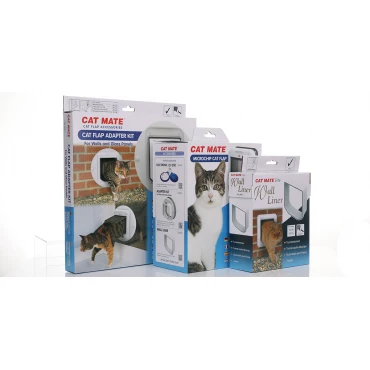
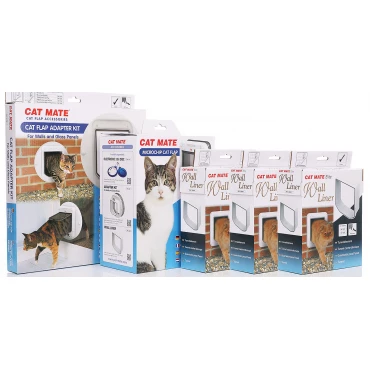
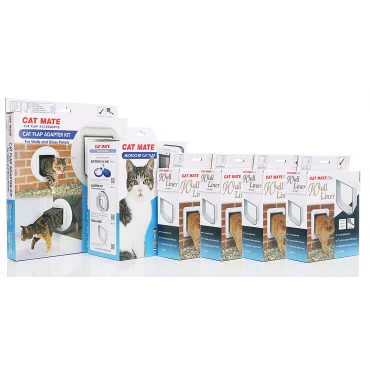
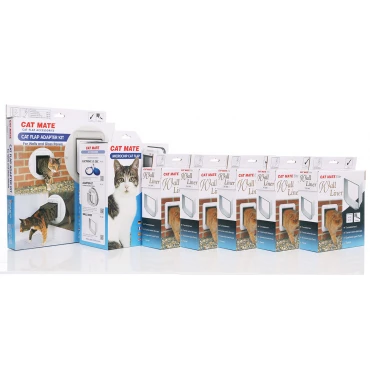
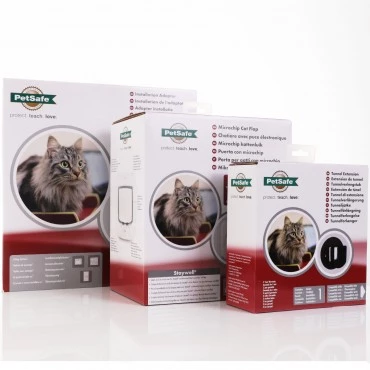
Which flaps can be installed In The Walls With Tunnels?
Cat Flaps for Walls & Wall Installation Kits
Yes, a cat flap can be fitted through a wall. The important part is choosing a cat flap suitable for wall installation and using the correct wall tunnel, tunnel extensions or wall mounting kit for the thickness of your wall.
At CatFlaps.co.uk, we supply cat flaps, tunnel extensions and complete wall installation kits for fitting through brick walls, cavity walls and insulated external walls. This gives you another option when fitting a cat flap through a door or glass panel isn't practical.
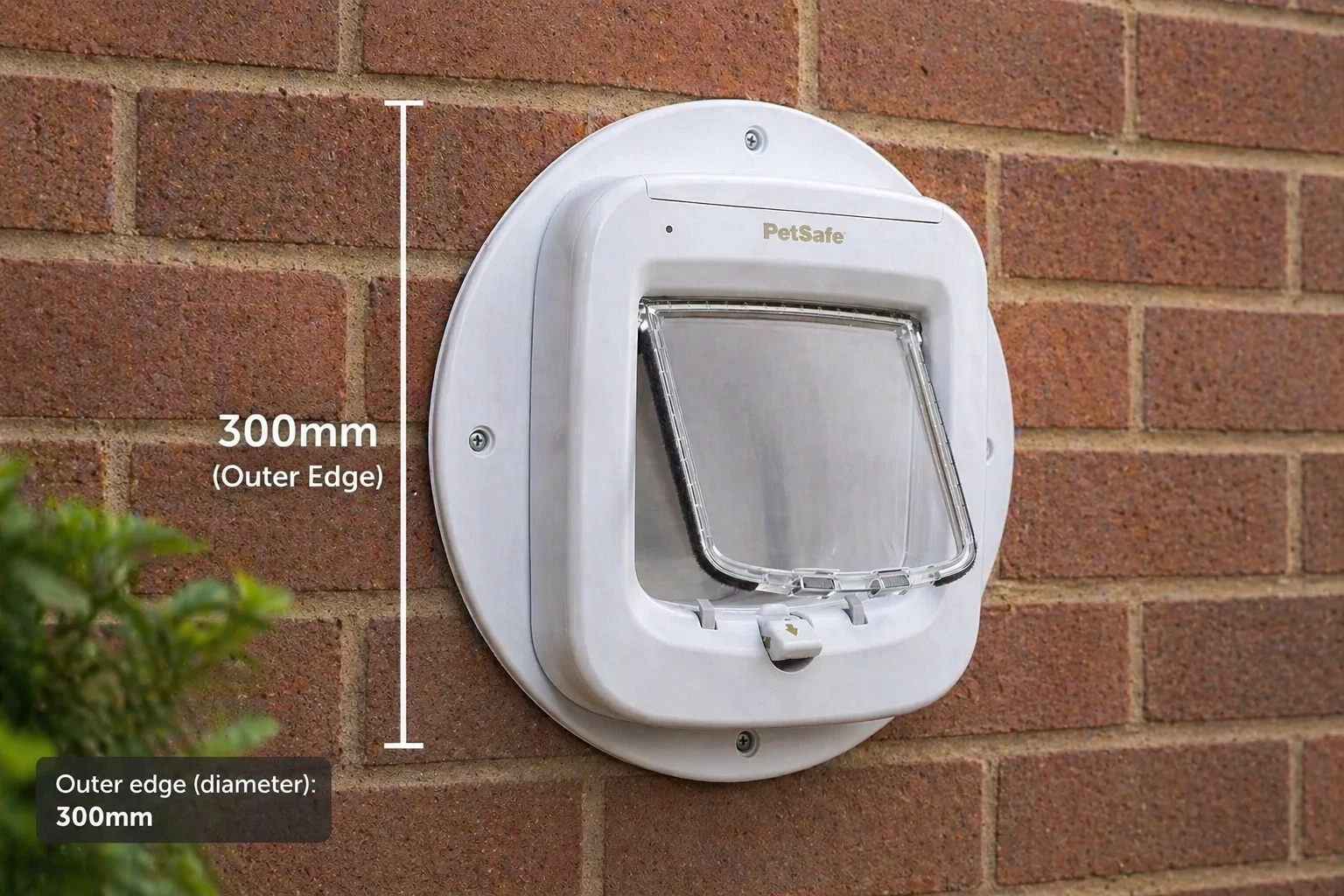
How Do You Fit a Cat Flap Through a Wall?
A wall installation uses a tunnel to create a finished passage between the inside and outside faces of the wall. Depending on the cat flap, this may use dedicated tunnel extensions, a wall adaptor or a complete manufacturer wall installation kit.
The cat flap is mounted at the end of this tunnel, allowing your cat to pass safely through the complete thickness of the wall.
- Choose a cat flap suitable for wall installation
- Measure the complete wall thickness
- Use the correct tunnel or wall mounting system
- Add additional tunnel extensions where required
- Create a properly finished passage through the wall
- Seal the external installation against the weather
Cat Flap Tunnel Extensions
Cat flap tunnel extensions allow compatible cat flaps to be installed through thicker doors and walls. Multiple tunnel sections can normally be connected together until the required installation depth is reached.
The depth added by each extension varies between manufacturers and models, so always check the specifications of the particular cat flap and tunnel before ordering.
This is especially important when fitting a microchip cat flap through a cavity wall, where several tunnel extensions may be required.
Cat Flap Wall Kits for Different Wall Thicknesses
We offer wall installation options for a variety of wall depths. Depending on the particular product selected, complete configurations may be available for depths including:
- Up to approximately 172mm
- Up to approximately 272mm
- Up to approximately 322mm
- Up to approximately 372mm
These figures apply only to the relevant kits and should not be treated as universal measurements for every cat flap. Measure your wall before ordering and check the individual product specification to determine how many tunnel extensions you require.
Microchip Cat Flaps for Walls
A microchip cat flap fitted through a wall is an excellent option if you want selective entry without cutting a hole through your door.
Compatible microchip cat flaps recognise your cat's registered microchip and unlock for authorised pets, helping prevent neighbouring cats and other unwanted animals from entering your home.
Many popular microchip cat flaps can be wall mounted when used with their appropriate tunnel extensions or mounting accessories. Always check the individual model before ordering because installation requirements vary.
Manual Cat Flaps for Walls
If you don't require selective electronic entry, a manual cat flap with a wall tunnel can provide a simpler and more economical solution.
Manual models are particularly useful where you simply want your cat to have independent access and don't have problems with neighbouring cats entering your property.
Depending on the model, manual cat flaps may also provide 2-way or 4-way locking so you can control when your cat can enter or leave.
Why Fit a Cat Flap Through a Wall?
Installing a cat flap in a wall can be a very practical alternative to cutting your existing door.
- Keeps your existing doors intact
- Avoids replacing a glazed unit simply to accommodate a cat flap
- Allows greater choice over the position of your cat's entrance
- Useful for utility rooms, kitchens and side walls
- Suitable for many brick and cavity wall constructions
- Creates a permanent dedicated entrance for your cat
- Can be combined with microchip access control
Cat Flap Through a Cavity Wall
Installing a cat flap through a cavity wall requires more consideration than fitting one into a conventional timber door.
The complete opening needs to be properly constructed and the cavity should not simply be left exposed. The tunnel provides your cat with a clean passage through the wall while appropriate building work protects the surrounding wall construction.
For this reason, wall installations are often carried out by a competent builder or experienced installer.
Before Cutting the Wall
Always check the proposed installation position before starting work. External walls can contain services and structural components that must not be damaged.
Consider:
- Wall construction – solid brick, cavity or insulated wall
- Wall thickness – determines the tunnel length required
- Pipes and cables – check for hidden services before cutting
- Installation height – position the flap at a comfortable height for your cat
- External ground level – check the height on both sides of the wall
- Weather exposure – external edges should be correctly sealed
- Cat flap compatibility – confirm the model supports wall installation
How to Measure for a Wall Cat Flap
Before ordering your cat flap wall kit, measure the complete depth from the finished internal wall surface to the finished external wall surface.
Use this measurement to calculate the number of compatible tunnel extensions required. If your measurement falls close to the maximum depth of a particular kit, contact us before ordering and we'll help you check the configuration.
Frequently Asked Questions About Wall Cat Flaps
Can you put a cat flap in a wall?
Yes. Many cat flaps can be installed through a wall when used with the correct compatible tunnel extensions, wall adaptor or dedicated wall installation kit.
Can any cat flap be fitted through a wall?
No. Check that the particular cat flap is suitable for wall installation and that compatible tunnels or wall mounting accessories are available before cutting the wall.
Can a microchip cat flap be fitted through a wall?
Yes, many microchip cat flaps can be wall mounted using compatible tunnel extensions or wall mounting accessories. Always check the requirements for the individual model.
Can you put a cat flap through a cavity wall?
Yes. Cat flaps can be installed through suitable cavity walls, but the opening and tunnel need to be correctly constructed. Professional installation may be advisable, particularly where structural work, insulation or hidden services are involved.
How thick a wall can a cat flap go through?
This depends on the cat flap and tunnel system. Compatible tunnel extensions can often be joined together to accommodate substantial wall depths. Check the individual product specifications and measure your wall before ordering.
Do wall cat flaps cause draughts?
Any opening through an external wall has the potential to allow some air movement. Choosing a good quality cat flap and correctly constructing and sealing the wall tunnel will help reduce unwanted draughts.
Is a wall or door better for a cat flap?
Neither is automatically better. A door installation is usually simpler, while a wall installation can be useful if you don't want to alter an existing door or glazed unit and can provide greater freedom when choosing the location of the cat flap.
Shop Cat Flaps for Walls, Tunnels & Wall Kits
Browse our range of cat flaps for walls, microchip cat flaps, tunnel extensions and wall installation kits below. We have options suitable for everything from relatively shallow installations to substantial brick and cavity walls.
If you're unsure which components you need, measure the complete thickness of your wall and contact CatFlaps.co.uk before ordering. We can help you identify the correct cat flap, tunnel extensions and wall accessories for your installation.